 Crescent Moon Karate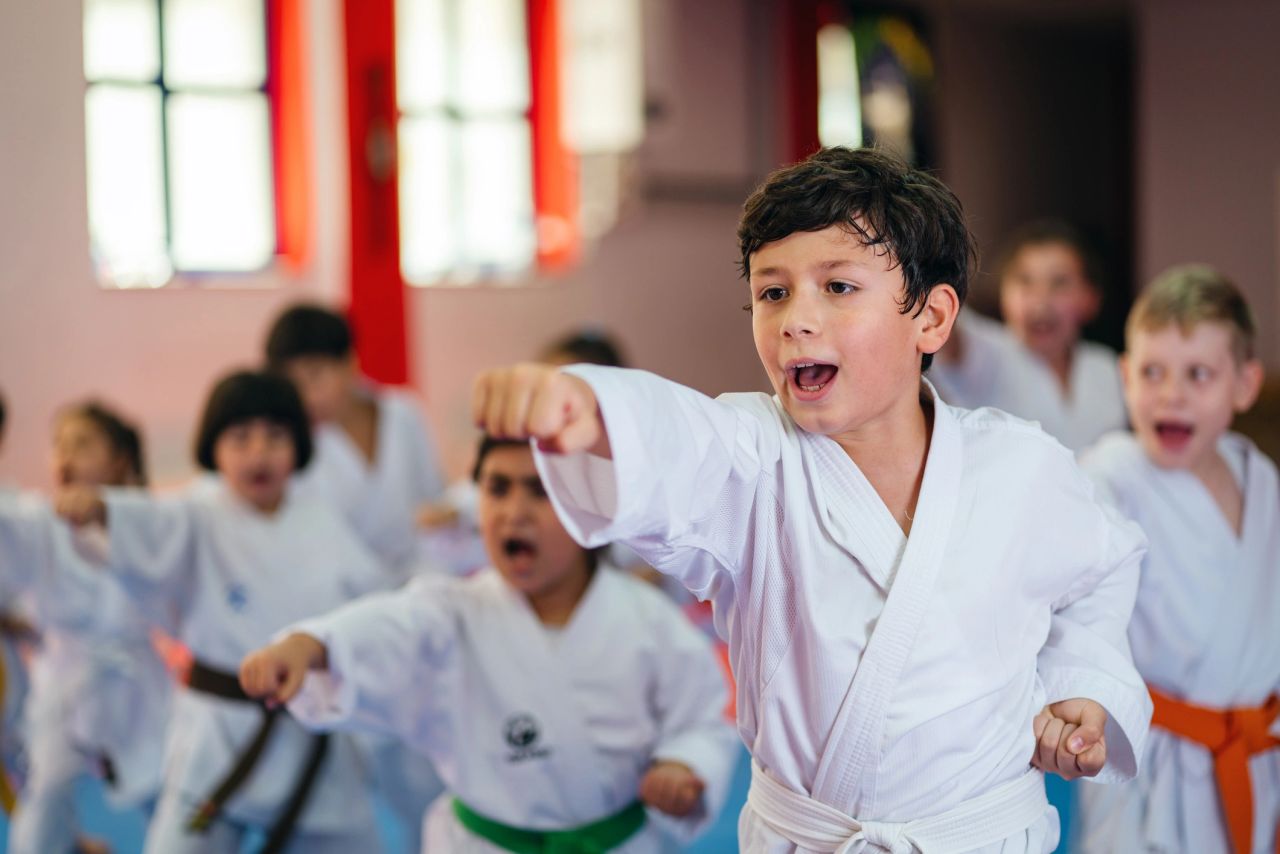
The Foundation of Strong Character Starts Early
Every parent in Los Angeles wants their child to grow up with confidence, resilience, and the ability to work well with others. But when it comes to extracurricular activities, the decision between karate classes and team sports often becomes a pivotal one in shaping a child’s development. While both offer valuable life lessons, they cultivate different strengths—karate emphasizes self-discipline, focus, and personal growth, while team sports build collaboration, communication, and group strategy.
Choosing between these paths isn’t just about physical activity; it’s about what skills matter most at this stage of your child’s growth. Are they learning to stand up confidently in the face of challenge? To persevere when things get tough? To listen, respect boundaries, and follow through on commitments? With rising concerns about screen time and attention spans, many parents are turning toward structured martial arts programs as a way to instill core values early.
In this post, we’ll break down the benefits of karate versus team sports—highlighting how each impacts confidence, social development, and long-term character building—so you can make the best choice for your child’s unique path.
Building Inner Strength: How Karate Shapes Young Minds and Bodies
Karate isn’t just about kicks and punches—it’s a proven method for developing essential life skills in children. In a world full of distractions, parents in Los Angeles and beyond are turning to karate classes as a structured, engaging way to instill focus, discipline, confidence, and practical self-defense abilities in kids ages 4–12. These programs offer far more than physical activity—they provide a mental and emotional foundation that supports success both inside and outside the dojo.
One of the core benefits of karate is its ability to sharpen focus. Through repetition, controlled movements, and active listening, children learn to stay present and attentive. Discipline is reinforced daily through routines, belt-ranking systems, and respectful interactions, helping kids develop self-control that translates to school and home environments. Confidence grows naturally as students master new techniques, overcome challenges, and earn recognition through progress-based achievements.
Importantly, karate also teaches age-appropriate self-defense, empowering children with awareness, boundary-setting, and physical tools to stay safe. Unlike team sports that prioritize competition, karate emphasizes personal growth, allowing each child to progress at their own pace in a supportive, community-focused environment.
For parents seeking a holistic development program, kids karate offers a balanced blend of physical fitness, mental resilience, and character-building that stands the test of time.
Building Strong Foundations Through Teamwork and Social Growth
Team sports like soccer and basketball offer powerful developmental benefits that go well beyond physical activity. For children, these group-based activities create consistent opportunities to build essential life skills such as cooperation, communication, and mutual accountability. In a structured team environment, kids learn how to work toward shared objectives, support teammates through challenges, and celebrate collective achievements—skills that translate directly into success in school, friendships, and future careers.
One of the most impactful aspects of team sports is how they naturally strengthen social intelligence. Children must listen actively, respect different roles, and adapt to group dynamics—whether passing the ball at the right moment or encouraging a peer after a missed play. These interactions foster emotional regulation and empathy, especially in fast-paced, competitive settings.
Encourage participation in local youth leagues in Los Angeles to help children connect with peers from diverse backgrounds.
Look for programs that emphasize balanced playing time and positive coaching to ensure every child feels included.
Prioritize enjoyment over winning to nurture long-term engagement and confidence.
When teamwork is prioritized, children don't just grow as athletes—they grow as people.
Physical Fitness, Mental Growth, and Social Skills: How Karate and Team Sports Stack Up
When evaluating karate versus team sports for your child’s development, it’s important to understand how each impacts physical fitness, mental growth, and social skills—three pillars of youth wellness.
Physically, team sports like soccer or basketball emphasize endurance, agility, and coordination through constant movement and play. They build cardiovascular health and encourage active lifestyles. Karate, on the other hand, focuses on controlled strength, balance, and flexibility through structured kata (forms) and repetitive technique drills. While both improve overall fitness, karate often delivers more targeted muscle development and body awareness.
Mentally, karate fosters discipline, focus, and emotional regulation. The belt-ranking system teaches goal-setting and delayed gratification, helping children stay motivated through incremental progress. Team sports build strategic thinking and quick decision-making under pressure, but may not emphasize introspection to the same degree.
Socially, team sports offer frequent group interaction, teaching cooperation, communication, and resilience through wins and losses. Karate promotes respect, self-control, and confidence through partner drills and instructor-student dynamics. While the social environment differs—communal vs. structured—both build essential life skills. Parents in Los Angeles and beyond can choose based on their child’s personality and developmental priorities.
What Parents Really Want to Know About Karate vs. Team Sports
When weighing karate against team sports for your child, it’s normal to have questions about development, safety, time commitment, and long-term benefits. Here’s a breakdown of frequently asked questions to help guide your decision with confidence.
Is karate safe for young kids?
Absolutely. Reputable karate programs for children emphasize control, respect, and gradual skill progression. Instructors use age-appropriate techniques and structured drills to minimize risk while maximizing physical coordination and body awareness. Safety protocols, proper supervision, and padded training gear ensure a secure environment—especially in beginner-friendly classes designed for ages 4–12.
How does karate build confidence differently than team sports?
While team sports foster group camaraderie, karate builds individual confidence through measurable milestones like belt promotions. Children set personal goals, track progress, and gain self-assurance through mastery—not just wins or losses. This focus on self-improvement nurtures resilience and leadership qualities that extend beyond the dojo.
Does karate help with focus and discipline?
Yes, especially for energetic or easily distracted children. Karate integrates mindfulness, breath control, and repetitive forms ( kata) that train attention span. The structured nature of classes reinforces listening skills, routine, and self-regulation—critical tools for academic and social success.
Can my child still play team sports while doing karate?
Definitely. Many families balance both. Karate complements team sports by enhancing agility, balance, and mental toughness. Scheduling around seasons or rotating focus ensures your child avoids burnout while gaining diverse physical and emotional benefits.
How do I choose the right program in Los Angeles?
Look for schools with certified instructors, small class sizes, and a positive, inclusive culture. Visit trial classes, observe teaching styles, and check if the curriculum supports character development alongside physical training. A community-focused program will prioritize growth, safety, and long-term engagement.
Making the Right Choice for Your Child’s Growth Journey
When weighing karate classes against team sports, the decision ultimately comes down to your child’s personality, learning style, and long-term goals. Karate fosters individual growth through structured training, building focus, self-discipline, and personal confidence—qualities that support success both inside and outside the dojo. Team sports, on the other hand, emphasize collaboration, communication, and shared achievement, ideal for children who thrive in group settings and feed off social energy.
Parents should consider whether their child responds better to personal milestones or group motivation. Does your child prefer mastering skills at their own pace, or do they light up when playing alongside peers? Think about what environment will encourage consistent participation and genuine enjoyment. In Los Angeles and surrounding communities, families have access to diverse programs that cater to both paths.
To make the best choice, observe your child’s natural inclinations, talk to them about what excites them, and explore trial classes that align with their interests. Many programs offer introductory sessions—take advantage of these to gauge engagement and comfort level. The right activity is the one that keeps your child coming back, growing stronger, and feeling proud of their progress.
Your next step? Visit a local class, speak with instructors, and watch how your child responds. When passion meets purpose, growth follows.
Share this post:
#### Categories
#### Recent Posts
[The Difference Between Confidence and Arrogance
Jul 23, 2026](https://crescentmoonkarate.com/blog/f/the-difference-between-confidence-and-arrogance)
[How Karate Teaches Responsibility
Jul 17, 2026](https://crescentmoonkarate.com/blog/f/how-karate-teaches-responsibility)
[Building Self-Esteem Without Empty Praise
Jul 9, 2026](https://crescentmoonkarate.com/blog/f/building-self-esteem-without-empty-praise)