 Crescent Moon Karate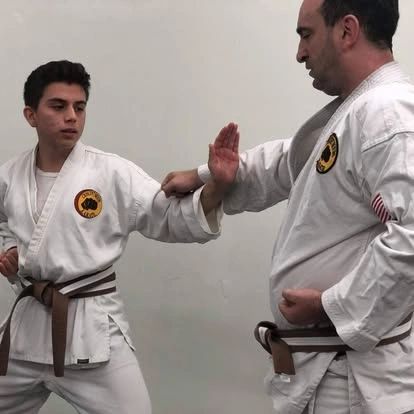
Beyond the Trophy: Why Real Confidence Comes from Challenge, Not Applause
In today’s achievement-focused culture, especially within youth development programs across Los Angeles, many parents and educators assume that constant praise builds confidence. But real self-esteem—the kind that lasts through setbacks and fuels long-term growth—doesn’t come from empty affirmations. It’s forged through mastery: the deep sense of competence that emerges when a child overcomes difficulty, refines a skill, and earns progress through consistent effort. Whether in martial arts, academics, or creative pursuits, true confidence is internal, not external. It grows when students face challenges, adapt to feedback, and experience the satisfaction of personal breakthroughs.
Unlike fleeting praise, which can create dependency on approval, effort-based recognition fosters intrinsic motivation—a cornerstone of disciplined, resilient character. In structured environments like karate schools, this means emphasizing form over flair, consistency over quick wins, and perseverance through plateaus. Parents seeking meaningful development for their children should focus on programs that prioritize measurable skill advancement, constructive correction, and goal-setting. These elements, not participation trophies, plant the seeds of lasting self-worth. Here, you'll learn how to nurture genuine confidence by shifting focus from how often we say “good job” to what those efforts are actually accomplishing.
The Hidden Cost of Hollow Compliments
Empty praise—phrases like “You’re amazing!” with no context—might feel positive in the moment, but it often does more harm than good. When children are constantly told they’re “the best” without earning it, they begin to associate self-worth with performance rather than effort or character. This creates a fragile confidence that crumbles under challenge, because the child learns to fear failure more than they value growth. In Los Angeles and other fast-paced communities, where achievement is often highlighted over resilience, this pattern can be especially damaging.
Instead of praising outcomes, focus on observable effort. Say, “I noticed you kept trying that form until you got it right—that’s real progress.” This type of feedback reinforces persistence, self-awareness, and intrinsic motivation. Children begin to see challenges as opportunities, not threats to their identity.
Over time, empty praise also undermines resilience. Kids start seeking external validation instead of developing internal confidence. They may avoid harder tasks to stay in the “good” category, stalling true mastery. The goal isn’t to withhold encouragement, but to make it meaningful: specific, effort-based, and tied to real action. When praise reflects authentic struggle and progress, children in any city—from urban dojos to suburban schools—build self-esteem that lasts.
5 Ways Martial Arts Naturally Builds Confidence From Within
Self-esteem built through martial arts isn’t about applause or empty encouragement—it’s forged through real growth, earned effort, and overcoming tangible challenges. Unlike fleeting praise, the confidence developed on the mat is resilient, rooted in discipline and personal mastery. For children and teens in Los Angeles and surrounding communities, martial arts training offers a structured path to self-worth that goes far beyond belts and techniques.
- Mastery Through Repetition Builds Competence — Each kata (form), stance, and technique is repeated until precision becomes habit. This consistent refinement reinforces neural pathways tied to success, helping students internalize the feeling of "I can do this." Over time, small improvements accumulate into undeniable proof of skill—creating a quiet, unshakable confidence.
- Gradual Challenges Promote Resilience — Martial arts programs are designed with incremental difficulty. Whether it’s holding a stance longer or executing a complex combination under pressure, students face challenges just beyond their current ability. Overcoming these builds effort-based confidence—the understanding that persistence leads to progress.
- Belt Advancement Offers Measurable Achievement — The ranking system provides clear, visible milestones. Earning a new belt isn’t given—it’s achieved through demonstrated ability, discipline, and knowledge. This structured progression gives students concrete evidence of growth, reinforcing a sense of personal accomplishment.
- Controlled Sparring Develops Real-World Confidence — Working with partners in supervised drills and sparring teaches timing, distance, and self-control. Successfully applying techniques under mild pressure builds situational confidence—students begin to trust their bodies and decisions, even in unpredictable moments.
- Classroom Structure Reinforces Self-Respect — Dojo etiquette—bowing, listening, waiting your turn—fosters self-regulation and respect. When students consistently meet behavioral expectations, they internalize discipline as a personal standard, not just a rule. This self-governance translates into greater self-worth off the mat.
Martial arts doesn’t tell students they’re special—it shows them, through effort and perseverance, that they’re strong, capable, and in control of their own growth.
From Dojo Challenges to Real-World Confidence
Facing physical and mental challenges in martial arts training does more than build skill—it forges unshakable self-esteem rooted in real achievement. In cities like Los Angeles, where distractions are constant and peer pressure starts early, children who train in karate learn to rely on their abilities through structured adversity. Each time a student masters a difficult form, survives a tough sparring round, or earns a new belt after repeated failure, they internalize a powerful truth: I can overcome what’s hard.
This mindset doesn’t stay in the dojo. It spills into classrooms, where students speak up more, tackle tough assignments with persistence, and bounce back faster from setbacks. Socially, they carry themselves differently—shoulders back, eye contact steady—not because they’re praised endlessly, but because they’ve earned their confidence through effort. Martial arts creates this through deliberate, progressive challenges:
- Controlled stress exposure – Students face timed drills, performance evaluations, and physical demands that teach composure under pressure.
- Incremental mastery – Small wins compound: a better stance today leads to a cleaner technique tomorrow, building self-trust.
- Resilience through failure – Falling down and getting back up—literally and figuratively—becomes routine, reducing fear of mistakes in other areas.
Parents in urban communities often notice that kids who once hesitated to raise their hand now volunteer answers, or stand firm when confronted by peers. That’s not luck—it’s the transfer of discipline from martial arts into daily life. The result? A quiet, grounded confidence that doesn’t need validation, because it’s built on real experience, not empty praise.
Building Confidence Through Structure: Answers to Parents’ Top Questions
How can structured activities build real self-esteem without over-praising?
True confidence emerges from mastery, not medals for participation. Structured martial arts programs in Los Angeles emphasize progressive skill acquisition—where children earn recognition through effort and improvement. Instructors use clear benchmarks, such as belt promotions and form refinement, so kids see tangible results from persistence, cultivating intrinsic motivation.
What’s the right balance between encouragement and honesty?
Focus feedback on observable effort and specific technique, not general praise. Say, “Your front kick stance was much more stable today—that’s what consistent practice looks like,” instead of “You’re the best kicker!” This reinforces self-awareness and resilience, helping children accept constructive critique as part of growth.
Can group classes support confident development for quiet kids?
Absolutely. Thoughtfully designed group programs use predictable routines and peer modeling to reduce anxiety. Instructors often assign leadership moments—like leading warm-ups or demonstrating techniques—to gently expand comfort zones in a supported way.
How do I know if my child needs more personalized attention?
Watch for signs of disengagement or frustration. Kids who struggle with transitions, resist trying new forms, or compare themselves frequently may benefit from short-term private sessions to build foundational competence before rejoining group learning.
What role does consistency play in confidence-building?
Routine fosters predictability, which builds emotional safety. When kids know what to expect—from bowing in to breaking down complex moves into steps—they gain autonomy. Celebrate showing up as much as achievement, reinforcing long-term commitment over quick wins.
The Lasting Strength of Earned Confidence
True self-esteem isn’t handed out—it’s built through challenge, effort, and personal growth. In martial arts training, confidence emerges not from hollow compliments, but from overcoming real obstacles: mastering a difficult form, earning a new belt, or finally executing a technique after repeated practice. This earned confidence is resilient because it's rooted in tangible achievement, not external validation. For children and teens in Los Angeles and surrounding communities, this process fosters a deep sense of self-worth that extends far beyond the dojo.
Unlike empty praise, which can erode motivation over time, martial arts reinforce a powerful mindset: you grow because you try. Each class strengthens mental toughness, discipline, and perseverance—key traits that support academic performance, social interactions, and emotional regulation. When students see what they’re capable of through consistent effort, they begin to internalize a belief in their own abilities.
To help your child develop lasting self-esteem, look for programs that emphasize personal progress, structured goal-setting, and respectful mentorship. Observe how instructors provide feedback—does it encourage improvement rather than comparison? Consider starting with a trial class to assess the environment firsthand. The right martial arts experience won’t just teach self-defense—it will help build a confident, resilient individual ready to face life’s challenges.
Share this post:
#### Categories
#### Recent Posts
[The Difference Between Confidence and Arrogance
Jul 23, 2026](https://crescentmoonkarate.com/blog/f/the-difference-between-confidence-and-arrogance)
[How Karate Teaches Responsibility
Jul 17, 2026](https://crescentmoonkarate.com/blog/f/how-karate-teaches-responsibility)
[Private vs. Group Martial Arts: Which Is Right?
Jul 4, 2026](https://crescentmoonkarate.com/blog/f/private-vs-group-martial-arts-which-is-right)