 Crescent Moon Karate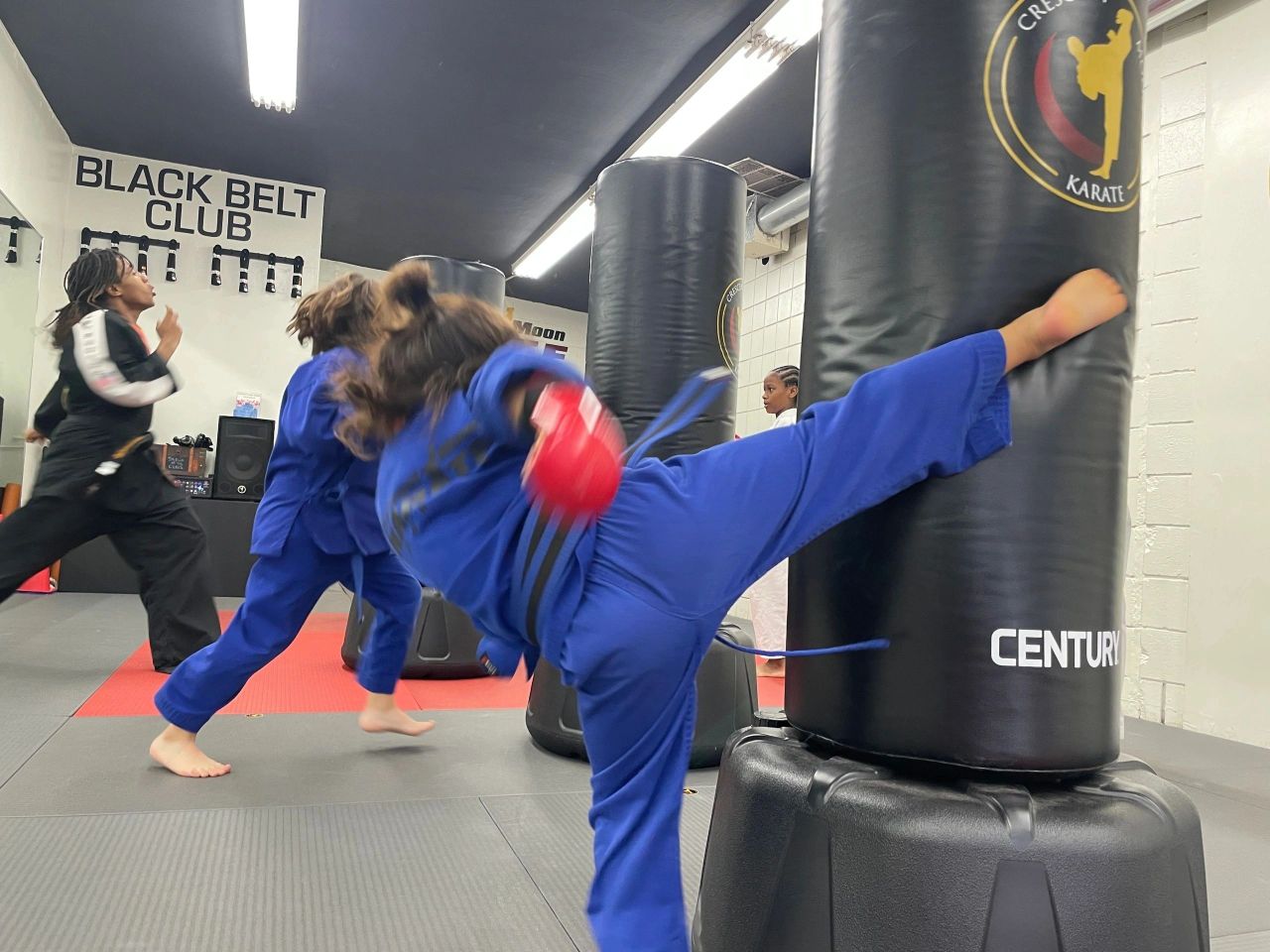
Understanding the Mindset Divide: Confidence vs. Arrogance in Youth Development
In youth development circles across Los Angeles and beyond, a subtle but critical confusion persists—confidence and arrogance are often used interchangeably, yet they stem from opposite mindsets. True confidence is quiet, rooted in self-awareness, preparation, and respect for others. Arrogance, on the other hand, is performative, relying on external validation and a need to diminish others to feel strong. This distinction is especially vital in programs that shape young character, such as martial arts, leadership clubs, or academic enrichment activities.
Children who develop genuine confidence learn to embrace challenges, accept feedback, and grow from setbacks. They stand tall not because they believe they’re better than others, but because they trust their ability to try, fail, and try again. Arrogant behavior, by contrast, often masks insecurity and crumbles under pressure or criticism. In structured environments like dojos or classrooms, instructors see this play out daily—confident students listen, engage, and support peers, while arrogant ones dominate conversations, dismiss guidance, and struggle with teamwork.
Parents and educators play a key role in reinforcing this difference. You can help by:
- Praising effort over outcome
- Modeling humility in everyday interactions
- Encouraging active listening and empathy
Recognizing these traits early helps foster resilient, respectful, and capable young individuals—ready to lead with integrity, not ego.
The Inner Core of Confidence vs. The Facade of Arrogance
True confidence isn’t loud—it’s grounded. It stems from earned mastery, the quiet assurance that comes from consistent effort, disciplined practice, and overcoming challenges. In martial arts schools across Los Angeles and beyond, this kind of confidence is cultivated daily through structured training, incremental progress, and personal accountability. Students learn that real strength isn’t in how loudly they speak, but in how steadily they show up, correct mistakes, and persist when techniques feel out of reach.
Arrogance, on the other hand, often masks insecurity. It relies on external validation—bragging about rank, belittling others, or demanding recognition—instead of internal growth. You’ll notice it in behaviors like interrupting peers, dismissing feedback, or prioritizing appearance over substance. Unlike confidence, which welcomes critique as a tool for refinement, arrogance resists correction and shifts blame.
The key distinction? Confidence builds others up; arrogance tears them down to feel taller.
In environments rooted in karate discipline, students are taught to lead with humility, bow with sincerity, and measure success not by rank alone, but by character growth. This mindset doesn’t just shape better martial artists—it creates respectful leaders, focused students, and resilient kids who know their worth doesn’t depend on applause, but on action.
Forging True Confidence Through Martial Discipline in Los Angeles
In the heart of Los Angeles, where self-expression is abundant but true self-assurance is rare, martial arts training offers a powerful pathway to genuine confidence—not the loud, boastful kind, but the quiet, unshakable belief that comes from discipline, perseverance, and measurable growth. Unlike fleeting confidence built on praise or comparison, martial arts cultivates a deeper form rooted in daily effort, structured challenge, and personal accountability.
Students begin by mastering fundamentals: proper stance, controlled breathing, and precise technique. Each small victory—landing a kick cleanly, executing a kata without error, or simply showing up consistently—adds to a growing sense of self-trust. Instructors emphasize process over performance, encouraging students to view mistakes as part of mastery, not failure.
Over time, this environment teaches key confidence-builders:
- Consistent effort replaces the need for instant results
- Physical competence strengthens emotional resilience
- Respectful interaction reinforces self-worth without superiority
- Belt advancements provide tangible proof of progress
The result? Kids and teens develop the kind of confidence that doesn’t need validation—because it’s earned. Whether facing a tough day at school or navigating social challenges, this inner assurance stands firm. In a city full of noise, martial arts builds the quiet strength of someone who knows what they’re made of—without having to say it.
Confidence vs. Arrogance: How They Show Up in Practice
Understanding the subtle but critical difference between confidence and arrogance is essential—for parents in Los Angeles guiding their children’s growth, and for individuals building character through disciplines like karate. While both may appear as self-assurance on the surface, their roots and results diverge significantly.
Confidence is quiet, steady, and rooted in self-awareness. It thrives on humility and resilience:
- Welcomes feedback without defensiveness
- Celebrates others’ successes without comparison
- Acknowledges mistakes and learns from them
- Stays composed under pressure, using setbacks as fuel
- Leads by example, not by demand
In contrast, arrogance masks insecurity with superiority and often crumbles under real challenge:
- Dismisses criticism as an attack or insult
- Centers conversations on self-accomplishments
- Blames external factors when things go wrong
- Struggles to collaborate or follow instruction
- Performs for recognition, not mastery
In structured environments like the dojo, confidence is cultivated through repetition, respect, and ranked progression—students earn belts not by proclaiming ability, but by demonstrating it consistently. Arrogance, on the other hand, disrupts harmony and stalls growth because it resists the very feedback needed for improvement.
Teaching kids to recognize this difference—especially in high-pressure environments like urban schools or team activities—helps them build authentic strength. Confidence builds community; arrogance isolates. One fosters lifelong growth; the other creates invisible ceilings.
Choose practices that reward quiet strength over loud claims—and watch true leadership emerge.
How to Recognize and Nurture True Confidence in Your Child
What does authentic confidence look like in children?
Authentic confidence shows up as quiet self-assurance—a child who tries new things without needing constant praise, accepts feedback without defensiveness, and persists through setbacks. Unlike bravado, it’s marked by emotional resilience, active listening, and the ability to say “I don’t know” without shame. In structured environments like martial arts schools in Los Angeles, you’ll often see it in students who bow with focus, stand tall during drills, and support peers without seeking attention.
How is confidence different from arrogance in kids?
Confidence says, “I can try this.” Arrogance says, “I’m better than you.” The key distinction lies in humility and openness. Confident children welcome growth; arrogant ones shut down feedback. Arrogance often masks insecurity and shows up as interrupting, showing off, or belittling others—behaviors rarely seen in disciplined training settings where respect is non-negotiable.
What role does failure play in building real confidence?
Experiencing and overcoming failure is essential. When kids face challenges—like not perfecting a kata on the first try—and are guided to keep trying, they build earned confidence. Programs that emphasize progress over perfection help normalize struggle as part of mastery.
How can I reinforce confidence at home without encouraging overconfidence?
Focus praise on effort and attitude, not outcomes. Say, “I saw how hard you worked,” instead of “You’re so聪明.” Encourage reflection: “What did you learn when you got it wrong?” This reinforces growth mindset without inflating ego.
Does structured activity help more than unstructured play in building confidence?
Both are valuable, but structured programs provide consistent feedback, clear benchmarks, and accountability—key ingredients for developing lasting self-trust. In cities like Los Angeles, where distractions are constant, this framework helps kids internalize discipline and self-respect that unstructured time alone may not foster.
Building Grounded Confidence That Lasts a Lifetime
True confidence isn’t loud, boastful, or self-centered—it’s quiet, steady, and rooted in self-awareness. Through structured martial arts training, children develop a form of self-assurance that doesn’t need to prove itself. In dojos across Los Angeles, instructors guide young students to measure their progress not by putting others down, but by mastering their own behavior, emotions, and techniques. This deliberate focus on personal growth over comparison fosters internal validation, the cornerstone of genuine confidence. Kids learn that respect is earned through consistency, not declared through dominance.
Arrogance often stems from insecurity and the need for external praise, but martial arts counter this by emphasizing humility at every rank. Bowing, listening without interruption, and supporting peers aren’t just rituals—they’re daily practices that reinforce interdependence and respect. As children advance, they’re taught to lead with service, not superiority. They realize mastery isn’t about being better than others, but about becoming better than they were yesterday.
To nurture this mindset at home, parents can:
- Encourage reflection: “What was hard today, and how did you handle it?”
- Praise effort over outcome
- Model respectful communication
The value isn’t just in high kicks or belt promotions—it’s in raising emotionally intelligent, respectful kids who stand tall without stepping on others. For families seeking lasting growth, martial arts offer more than training: they offer transformation. Consider a trial class to experience how discipline shapes character.
Share this post:
#### Recent Posts
[How Karate Teaches Responsibility
Jul 17, 2026](https://crescentmoonkarate.com/blog/f/how-karate-teaches-responsibility)
[Building Self-Esteem Without Empty Praise
Jul 9, 2026](https://crescentmoonkarate.com/blog/f/building-self-esteem-without-empty-praise)
[Private vs. Group Martial Arts: Which Is Right?
Jul 4, 2026](https://crescentmoonkarate.com/blog/f/private-vs-group-martial-arts-which-is-right)