 Crescent Moon Karate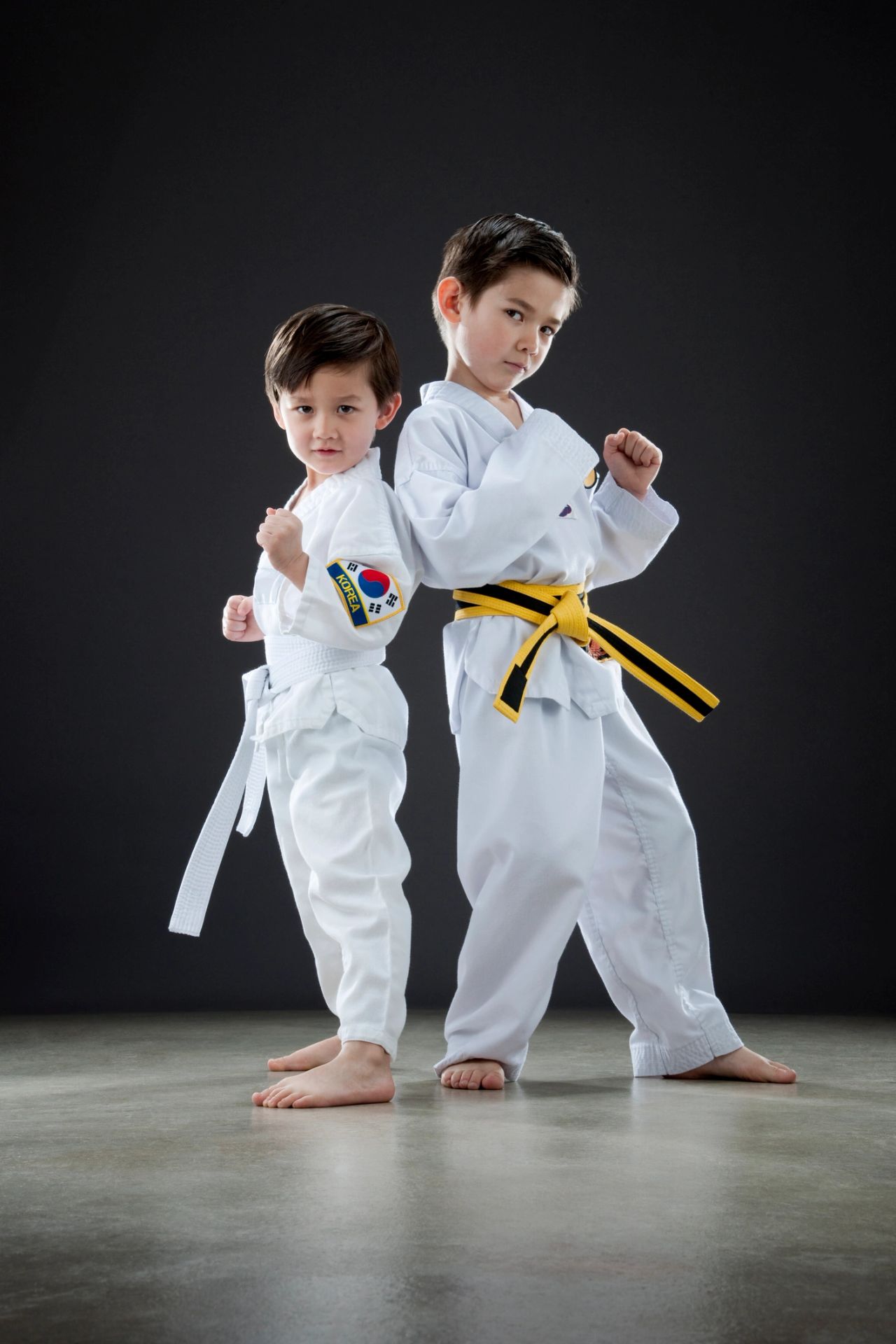
More Than Just Kicks and Punches: Why Kids Karate Is Taking Off in Los Angeles
Karate for kids isn’t just a trend—it’s a movement sweeping across Los Angeles neighborhoods, and for good reason. Parents from Pasadena to Culver City are enrolling their children not only to learn self-defense but to build essential life skills that extend far beyond the dojo. With childhood screen time at an all-time high and structured physical activity on the decline, martial arts offer a powerful solution rooted in discipline, focus, and confidence.
Los Angeles families are discovering that quality kids karate programs go beyond choreographed forms and sparring sessions. These classes provide a consistent framework for developing mushin—mental clarity under pressure—along with respect, accountability, and goal-setting. Instructors emphasize incremental progress through kyu rank advancements, helping children visualize growth and celebrate achievements in a tangible way.
What you’ll learn in this guide:
- How structured martial arts training improves focus and behavior
- The social and emotional benefits of group-based learning
- What to look for in a reputable Los Angeles karate program
- How age-appropriate curriculum supports physical development
Whether your child is energetic, shy, or somewhere in between, karate offers tools to thrive—on the mat and in everyday life.
5 Powerful Physical Benefits of Karate for Growing Kids
Enrolling your child in martial arts does more than teach self-defense—it fuels their physical development in transformative ways. Karate, in particular, offers a full-body workout that aligns perfectly with the natural movements children explore every day. From improving motor skills to building lifelong fitness habits, here are five key physical benefits your child gains through consistent karate training.
- Enhanced Coordination and Balance — Karate movements require controlled, precise actions that synchronize hand, foot, and eye coordination. Through katas (forms) and partner drills, kids develop neural pathways that improve spatial awareness and body control—skills that carry over into sports, academics, and everyday activities.
- Building Functional Strength — Unlike weight-based training, karate builds strength through bodyweight exercises like squats, push-ups, and dynamic stances. This functional approach supports joint stability and muscle endurance without overexertion, making it ideal for young, developing bodies.
- Improved Cardiovascular Fitness — High-energy drills, kicking combos, and continuous movement elevate heart rates in a safe, structured way. Regular practice supports healthy heart function, boosts stamina, and fights sedentary habits common in today’s digital lifestyle.
- Greater Flexibility and Joint Mobility — Daily stretching routines in karate classes enhance range of motion and reduce injury risks. Increased flexibility supports posture, reduces muscle tension, and helps kids move more freely in all physical activities.
- Healthy Weight Management and Body Awareness — Karate promotes metabolism and calorie burn while teaching mindful movement. Over time, children develop a positive relationship with their bodies, understanding how nutrition and activity support their performance and well-being. In Los Angeles and beyond, parents are seeing the long-term health impact of martial arts on active lifestyles.
Sharpening Young Minds: How Karate Develops Focus and Confidence in Children
Karate is more than kicks and forms—it's a powerful tool for shaping young minds. For children ages 4 to 12, consistent martial arts training fosters mental focus, discipline, and self-assurance in ways that extend far beyond the dojo. In a world full of distractions, karate teaches kids to center their attention through structured routines, breathing techniques, and goal-oriented practice.
From the first bow to the final kihap, every class reinforces zanshin—a state of relaxed alertness. Instructors use age-appropriate drills that challenge memory, coordination, and listening skills, helping children improve concentration over time. This mental conditioning translates to better performance in school, social settings, and extracurricular activities across Los Angeles and surrounding communities.
Discipline in karate isn't about punishment—it's about consistency. Through repeated practice and incremental goals like earning the next belt, children learn accountability and perseverance. They gain the confidence that comes from mastering new skills, overcoming nervousness, and earning recognition through effort.
Parents in Los Angeles often notice changes within weeks: improved focus during homework, better emotional regulation, and increased willingness to try new things. By fostering respect, patience, and self-control, karate gives kids the inner tools to thrive—on the mat and in everyday life.
Common Questions Parents Have About Kids’ Martial Arts Classes
Starting your child in martial arts is a big decision, and it’s natural to have questions. Here’s a breakdown of common concerns parents in Los Angeles and surrounding areas have when exploring beginner-friendly karate programs for kids ages 4–12.
At what age can my child start karate?
Most programs accept children as young as 4 years old. At this age, introductory classes focus on motor skills, listening, and following directions in a fun, structured environment. The curriculum is adapted to match developmental stages, ensuring younger kids aren’t pushed beyond their capabilities.
Is karate safe for young children?
Yes—when taught by qualified instructors using age-appropriate techniques. Reputable schools emphasize safety, with padded training areas, controlled sparring, and a clear progression system. Discipline and respect are taught alongside physical skills to foster a positive, low-risk environment.
What should my child wear to their first class?
Beginners usually wear comfortable athletic clothes. Many schools provide or sell official uniforms (gi) after the first few sessions. Avoid clothing with zippers or hard embellishments that could cause injury.
How does karate build confidence and focus?
Through consistent routine, goal-setting (like earning belts), and positive reinforcement, children gain a sense of accomplishment. Instructors use structured drills and verbal cueing to improve attention span and self-regulation over time.
How often should my child attend classes?
Most experts recommend 1–2 sessions per week for beginners. This frequency supports skill retention without overwhelming young schedules. Frequent, consistent exposure yields better results in discipline and physical coordination.
Will martial arts make my child aggressive?
No—quality programs emphasize self-control, conflict avoidance, and respect. Children learn to channel energy constructively, often becoming calmer and more respectful at home and school.
How do I know if a school is right for my family?
Look for clean, well-maintained facilities, visible safety protocols, and patient, encouraging instructors. Many schools offer free trial classes—take advantage to observe the environment and see how your child responds.
Why Starting Early Sets Kids Up for Lifelong Success
Introducing children to martial arts during their formative years lays a foundation for lasting personal growth. Structured training helps young learners develop essential life skills such as focus, emotional regulation, and respectful communication—qualities that extend far beyond the dojo. In Los Angeles, where extracurricular options abound, programs tailored to ages 4–12 ensure that instruction meets the developmental needs of each stage, using age-appropriate techniques to build coordination, listening skills, and self-assurance.
Beginner-friendly environments prioritize safety, positive reinforcement, and gradual progression, allowing children to advance at their own pace without pressure. These supportive settings help shy or energetic kids alike find balance and build confidence through consistent achievement. Over time, students learn goal-setting by earning belt ranks and mastering forms, fostering a mindset of perseverance and responsibility.
For parents seeking a holistic activity that strengthens both body and character, martial arts offer a balanced approach to youth development. To get started, look for schools that emphasize structured curricula, certified instructors, and a clear path for advancement. Visit local classes in person, observe teaching methods, and ensure the atmosphere feels encouraging and inclusive.
Take the next step—explore introductory sessions in your area and help your child begin their journey toward discipline, leadership, and lifelong confidence.
Share this post:
#### Categories
#### Recent Posts
[The Difference Between Confidence and Arrogance
Jul 23, 2026](https://crescentmoonkarate.com/blog/f/the-difference-between-confidence-and-arrogance)
[How Karate Teaches Responsibility
Jul 17, 2026](https://crescentmoonkarate.com/blog/f/how-karate-teaches-responsibility)
[Building Self-Esteem Without Empty Praise
Jul 9, 2026](https://crescentmoonkarate.com/blog/f/building-self-esteem-without-empty-praise)